The functionality of a vehicle’s brakes is paramount to road safety, making the maintenance and replacement of brake parts a critical aspect of responsible vehicle ownership. This guide delves into the key components of a braking system, emphasizing the significance of routine upkeep to guarantee reliable and secure stopping.
Understanding Brake Parts: The Anatomy of Safety
Brake Pads:
- Functionality: Brake pads play a pivotal role in the braking process. When the brake pedal is engaged, the brake pads create friction against the brake rotors, converting kinetic energy into heat and ultimately slowing down the vehicle.
- Maintenance: Regular inspection is crucial. If you notice squeaking or grinding sounds, reduced braking performance, or visible thinning, it’s time for replacement.
- Replacement Interval: Generally, brake pads should be replaced every 30,000 to 70,000 miles, but this can vary based on driving habits and vehicle type.
Rotors:
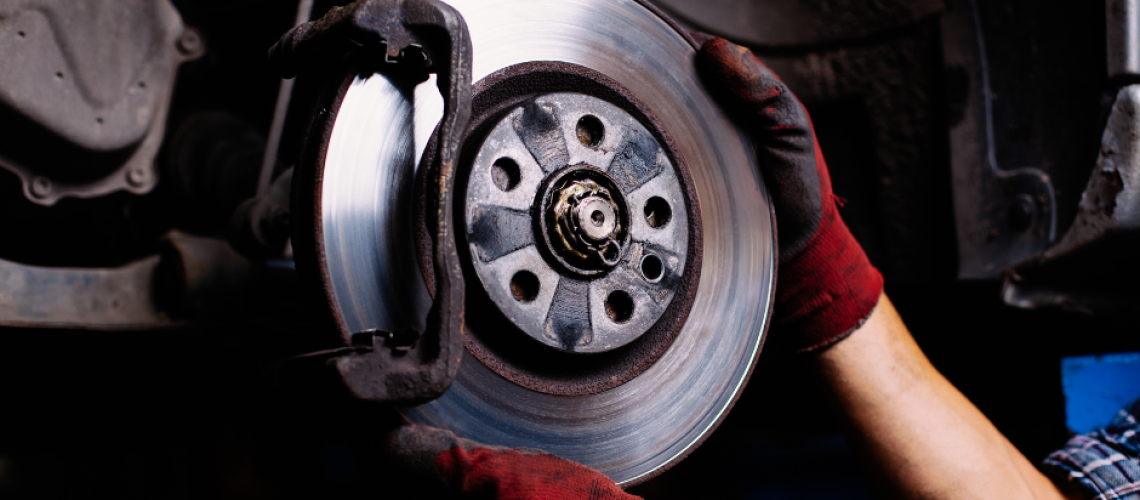
- Functionality: Brake rotors, also known as brake discs, work in tandem with the brake pads to facilitate the braking action. They absorb and dissipate the heat generated during braking, preventing overheating.
- Maintenance: Routine checks for wear, scoring, or warping are essential. If you sense vibrations or pulsations during braking, it may indicate issues with the rotors.
- Replacement Interval: Typically, rotors last longer than pads and may need replacement every 70,000 to 100,000 miles.
Brake Calipers:
- Functionality: Calipers house the brake pads and control their movement. They squeeze the pads against the rotor when you apply the brakes.
- Maintenance: Regular inspection for leaks or signs of damage is crucial. Sticking calipers or uneven pad wear may indicate issues.
- Replacement Interval: Calipers, if well-maintained, can last for many years. However, they might need replacement if issues arise.
The Importance of Regular Brake Maintenance
Safety Assurance:
Regular brake inspections and timely replacements ensure that your vehicle’s braking system operates at optimal efficiency, minimizing the risk of accidents due to brake failure.
Cost Savings:
Proactive brake maintenance can prevent more extensive damage. Addressing issues early on, such as replacing worn brake pads, is more cost-effective than allowing the problem to escalate.
Enhanced Performance:
Well-maintained brakes contribute to smoother and more responsive braking, improving the overall driving experience.
DIY Brake Maintenance Tips
Visual Inspections:
- Regularly inspect brake pads for thickness and even wear.
- Check rotors for any signs of scoring, warping, or uneven wear.
- Examine calipers for leaks or damage.
Brake Fluid Checks:
- Ensure brake fluid levels are within the recommended range.
- Check for any discoloration or contamination of the brake fluid.
Brake Bleeding:
Periodically bleed the brake system to remove air bubbles and maintain proper hydraulic pressure.
- Conclusion: Prioritizing Safety on the Road, Brake parts are not merely components of a vehicle; they are the guardians of safety on the road.
Regular maintenance and prompt replacement of brake pads, rotors, and calipers are not just tasks; they are commitments to safeguarding lives and ensuring that every journey concludes with a secure stop. As responsible vehicle owners, let us prioritize brake health to navigate the roads with confidence and security.
If you have any comments or questions, please feel free to share your thoughts in the comment section below. Stay updated on our latest specials and promotional offers, by following us on social media.